Rural Math Innovation Network
RMIN Expansion
The Rural Math Innovation Network (RMIN) expansion is a group of mathematics educators and administrators across rural areas of Virginia who use peer-to-peer collaboration to identify and solve their own problems of practice. The network is operated BY participants, FOR participants, thus network design and operation are fluid, based on participants’ needs. The current network direction is geared toward improving student participation and engagement in a virtual environment.

We are working to expand the RMIN network and are looking for innovative teachers and administrators with a passion for mathematics to join us. Benefits include increased connectedness, improved practice, and improved academic rigor. If you are interested in learning more about the RMIN expansion and continuing efforts to improve rural mathematics instruction, please complete this survey.
Educational professionals have a great deal of responsibility and may be hesitant to add to their workload. Participation in this virtual network will ease workloads, however, and improve connectedness through the use of virtual, peer-to-peer collaboration. Rural Virginia mathematics educators often experience feelings of isolation and many times are the only educators in their building teaching a specific course.
Participants in this network expansion will be connected with peers statewide helping each other to fine-tune instruction and share new, innovative techniques to better meet students’ learning needs. When faced with common problems, participants will have access to a group of peers to collaborate and engage with. Having access to peers across Virginia will allow participants to improve rigor by expanding their teaching toolkits to include new innovative mathematical practices and resources.
This Month
Our next RMIN Expansion meeting is Tuesday, July 20th at 4:00 pm. During this meeting, Kenn Barron, JMU Professor of Psychology and Coordinator of the Motivation Research Institute, and Kyle Schultz, University of Mary Washington Associate Professor of Mathematics will introduce us to a formula for improving student motivation in the classroom!
June
During the June interactive virtual meeting, we learned about Flipped Classrooms! We discussed strategies for incorporating the engaging technologies and tools we’ve learned about during this challenging school year into Flipped Classrooms for the upcoming school year.

May

During the May meeting, we hosted a mini-training on Thinglink, an award-winning technology platform that makes it easy to augment images and videos to create an engaging visual learning experience
March
During the March interactive virtual meeting, we learned about Edpuzzle and engaged in a collaborative activity about using memes and pop culture to motivate and engage students.
April
During the April interactive virtual meeting, we learned about Edulastic, an assessment platform enabling teachers to create engaging technology-enhanced content, identify learning gaps, provide differentiated instruction, and monitor student growth.
February
During the February interactive virtual meeting, we provided a mini-training on Blooket. Blooket provides a new take on trivia and review games and can be used to improve student engagement both synchronously and asynchronously. Various modes of play allow teachers to keep learning fresh and dynamic. Network teachers also received information on formally requesting technologies/tools. Teachers will use provided technologies/tools to solve their own problems of practice related to improving mathematics instruction and increasing student engagement.

December
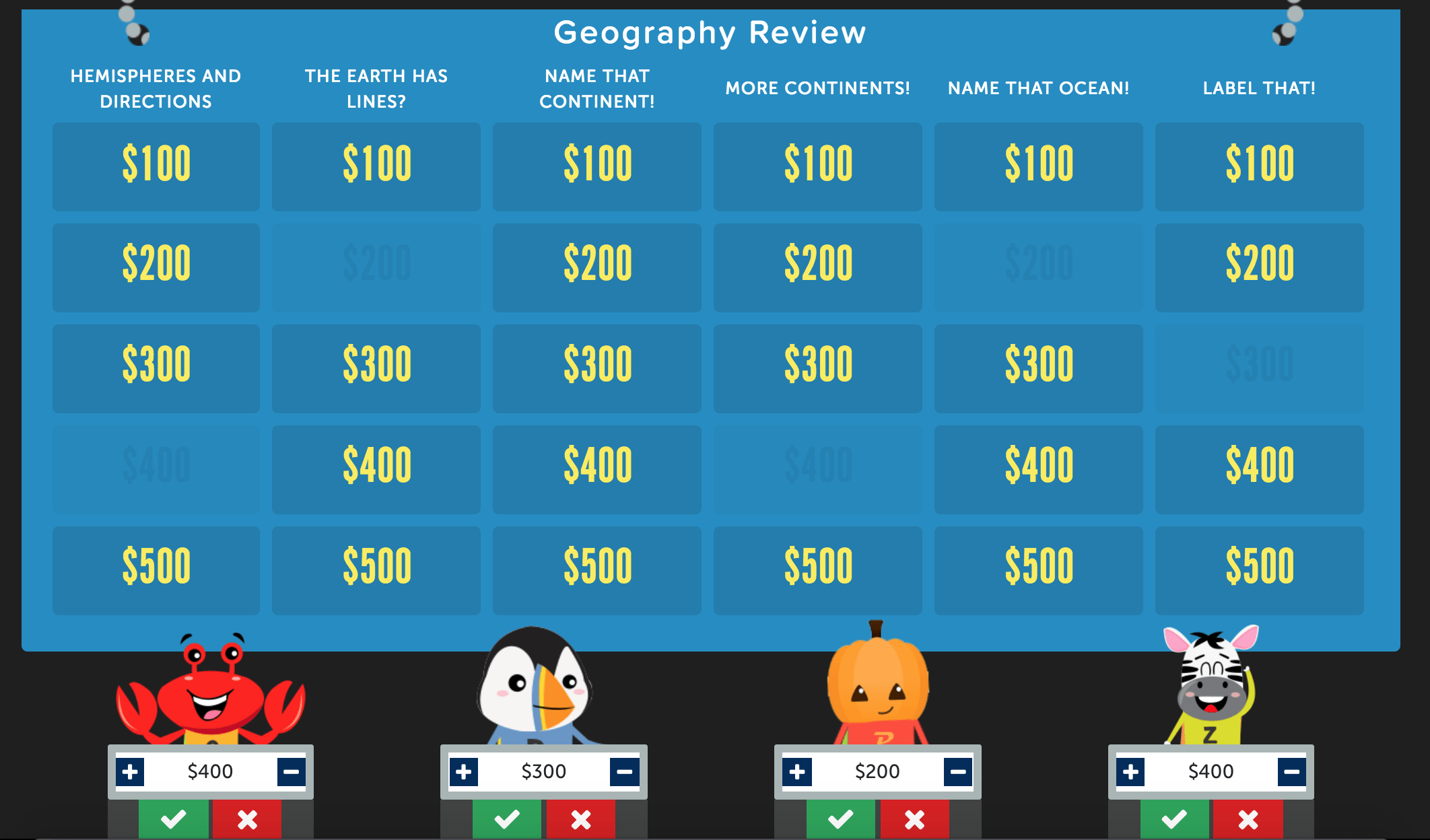
During the December interactive virtual meeting, we discussed the possibility of providing network teachers with technologies/tools to support them in solving their own problems of practice. We shared information on Factile and network teachers brainstormed technologies/tools they feel could be beneficial in improving instruction, how the use of these technologies/tools could increase virtual participation and engagement, and how they could share their successes and best practices when using these technologies/tools with the network.
January
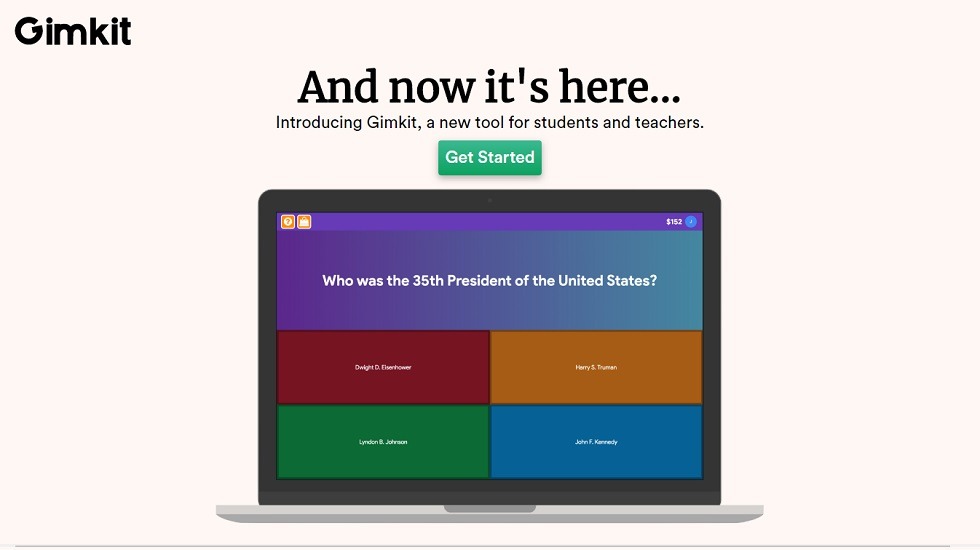
During the January RMIN interactive virtual meeting, we hosted a mini-training on Gimkit, discussed the next steps for requesting technologies/tools, and brainstormed ideas for mini-help sessions. It is our hope that network members will begin collaborating outside of the monthly meetings and helping one another to learn more about technologies, tools, best practices, etc. through mini-help sessions. More to come on this idea during the February meeting!
October
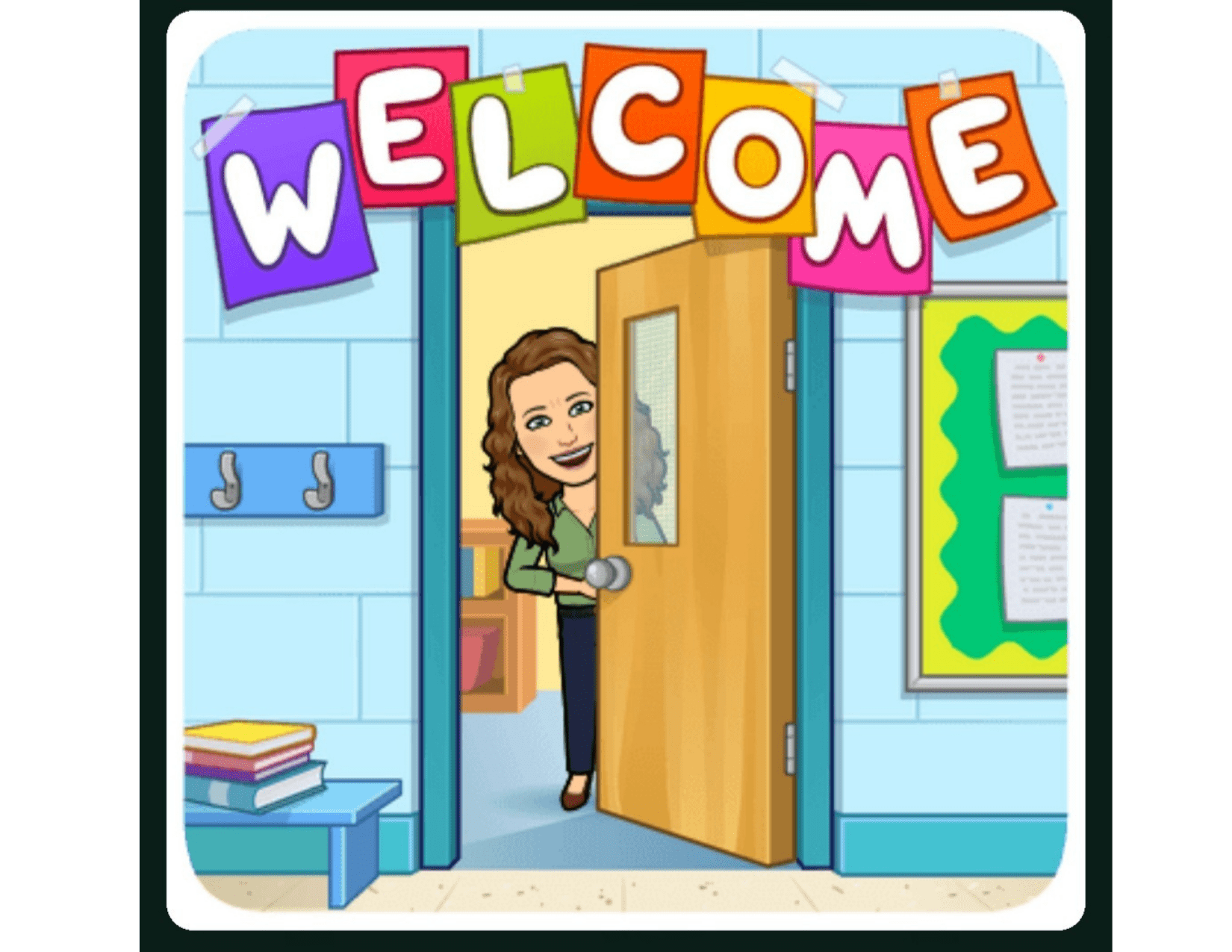
During the October RMIN interactive virtual meeting, Pear Deck and Bitmoji training was provided. Network participants learned to create and implement interactive slides to promote student engagement and designed their own Bitmoji classrooms. Following the training, participants brainstormed ideas for using these technological tools to improve student engagement and participation.
November
During the November RMIN interactive virtual meeting, training was provided on Jamboard and we introduced several useful Chrome Extensions. Participants learned how to use these technological tools and worked together to identify ways these tools can be used to improve mathematics instruction.







 Antoinette Jenkins
 Leah Williams-Rumbley
 Zuzana Steen
 Beth Rhinehart
  Kristie Proctor
 Deborah Jonas
 Andy Gail