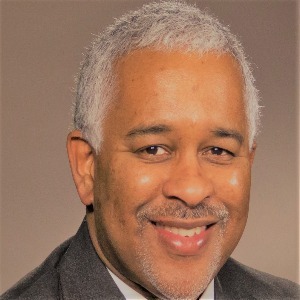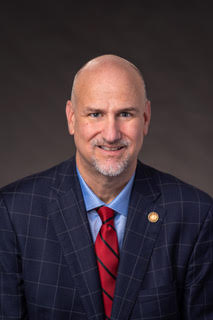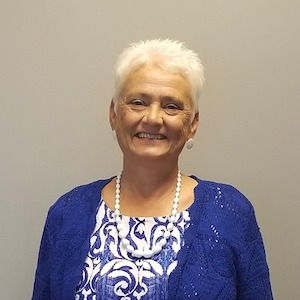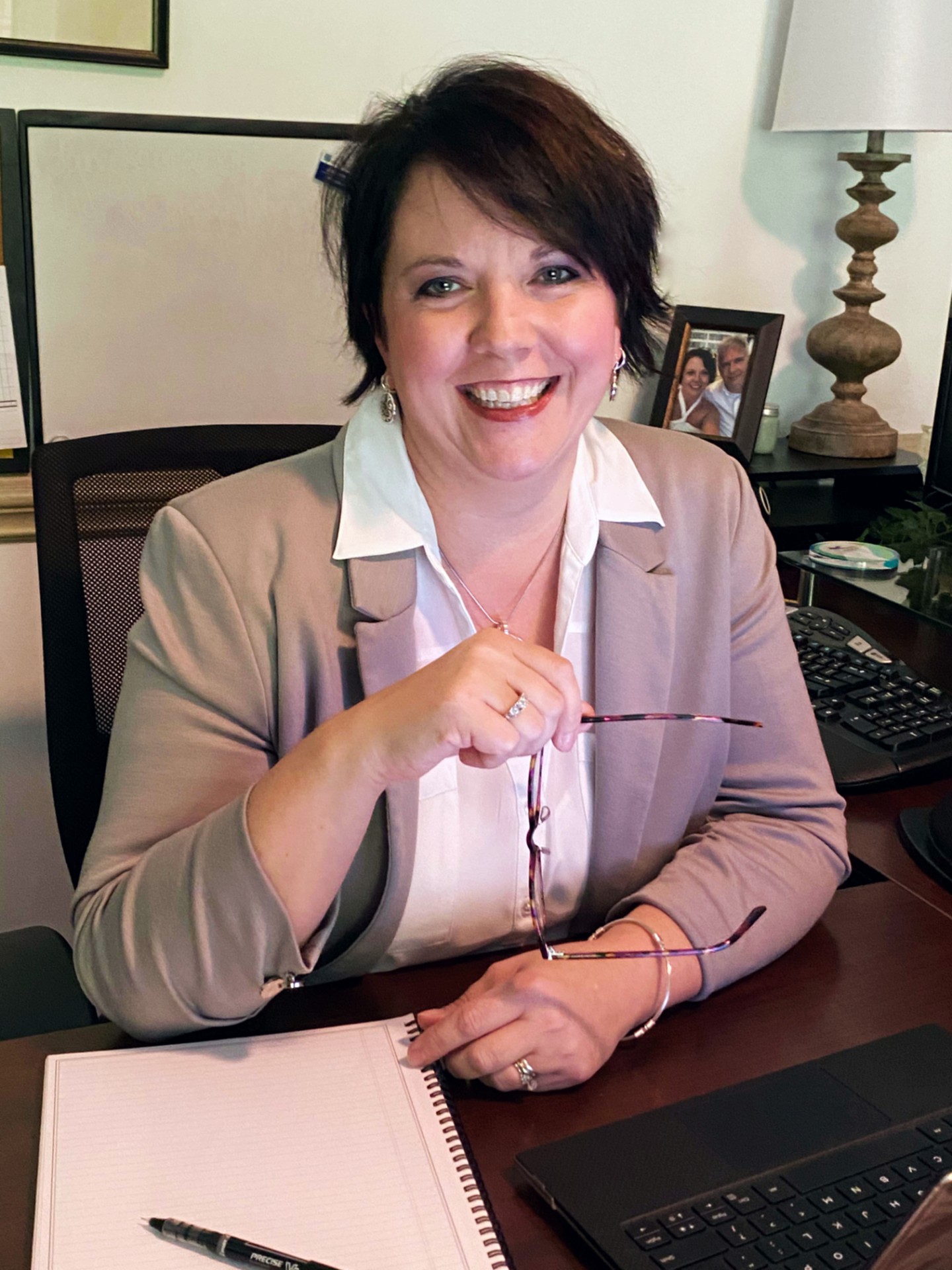
In February of 2019, the Board of Directors for Virginia Ed Strategies selected Jennifer Stevens as the next President and CEO for their organization. Just 15 short months later, we recently caught up with Jennifer to discuss her work over the last year and what’s next on the horizon for Virginia Ed Strategies.
You have served this organization in many capacities over the years. What goals did you set for yourself when taking on the role of President & CEO?
Even during the interview process, I shared with our board members that the new President & CEO would need to take some bold actions to ensure the organization’s future sustainability and growth. Having been here since the beginning, I was fully aware of our accomplishments and our weaknesses, and although we had done amazing work for the past 12 years, we were operating without a real plan. We were blessed to be the recipient of three major grant awards that allowed us to provide much-needed training and support to K-12 school divisions all over the state, but I was convinced that we needed a new, well-thought-out strategic plan with measurable goals to take the organization to a new level.
In addition to a strategic plan, we needed a new brand. Virginia Advanced Study Strategies was a mouthful, and the name did not fit the broad nature of our mission and work. We needed a name and logo that would speak to both educators and business people.
And, we had a great deal of work to do in order to establish our organization as the partner that everyone wants and needs relative to preparing the future workforce. Despite the years of significant, positive impact on educators and students, few of our state leaders really knew us, and that prevented us from being invited to the table, so to speak. It was very frustrating to me to hear of new K-12 initiatives after the fact, especially when I knew that our organization was the right partner for the effort. I made it my goal to not only change our name but to get that name on the lips of everyone who cares about K-12 education in Virginia.
Overhauling an organization’s name and public image is quite an endeavor. Where did you draw inspiration in order to rebrand this organization and increase the awareness of its work?
Inspiration to rebrand and increase statewide awareness of our work came from my desire, and that of the whole team, to see this organization grow and thrive for many years to come. I am passionate about our mission, and I have been personally committed to the success of Virginia Ed Strategies since its inception. I also drew inspiration from our team of forward-thinking, hard-working individuals – without their focus and dedication over the past year, none of this would have been possible.
In addition to a name change, Virginia Ed Strategies recently adopted a new mission and developed a set of core values. How did you choose these core values and what impact do they have on how your organization now operates?
As our team worked together on the strategic plan, we researched similar entities and sought out models that could guide us in developing strong core values for Virginia Ed Strategies. In the end, though, we drew upon the characteristics of this organization that have set us apart over the years – a strong desire to make a real difference in the education landscape, a sense of urgency to meet the unique challenges of today and tomorrow, and the knowledge that we can do more, faster, with the right partners. The staff and board are now guided by our core values, and we seek out partners who share our desire to generate innovative, collaboratively-developed solutions and empower others to do the same.
Our personnel and programs embody these core values – Generating solutions, Unifying partners, Intentional Innovation, Dedicated effort, and Empowering others, and Virginia Ed Strategies strives to be a GUIDE for schools, businesses, and other community stakeholders in preparing students for life and careers.
Virginia Ed Strategies became a sponsored organization of James Madison University back in August. Tell us how this came about and how the partnership has evolved in the last several months.
Since the incorporation of this organization in 2007, we have been a standalone nonprofit affiliated with a state agency in order to operate independently but still offer state benefits that attract and retain a high-quality staff. When the agreement with our original state agency partner was about to end, we were heavily into the process of rebranding and developing new strategic relationships across the Commonwealth to heighten awareness of our work and broaden our reach. At the same time, we were in the middle of implementing the Rural Math Innovation Network (RMIN) with consulting expertise from Dr. Kenn Barron, a psychology professor at James Madison University. When he learned that we were seeking a new state education entity as our payroll fiscal agent and partner, he reached out to colleagues at JMU to begin a dialogue. The stars quickly aligned for Virginia Ed Strategies to become a sponsored organization of JMU with ties to both the College of Education and the Professional and Continuing Education arm of the university. This new relationship has been a win-win for both us and for JMU – we are able to continue operating as a standalone nonprofit with its own mission and vision while offering our staff the benefits of being state employees and faculty members of a renowned institution; JMU now has a like-minded partner with statewide reach in the K-12 system to assist in furthering the university’s outreach and support of educators and students. As Virginia Ed Strategies continues to grow and expand its work across the Commonwealth, the credibility and extensive resources of James Madison University will be invaluable.
Virginia Ed Strategies held its first statewide conference this past year. What was the conference for and what impacts has it had on your organization?
Virginia Ed Strategies held its first ever statewide conference last September to convene employers, educators, and other leaders around the topic of strengthening Virginia’s talent pipeline through education-business partnerships. Over 170 attendees at the Strategies Xchange heard keynote addresses from our state leaders, participated in panel discussions of educators and business representatives, and gained new resources and ideas from a variety of breakout presentations showcasing initiatives already making an impact across the state. I am thrilled with how the Strategies Xchange unfolded, but I could not have imagined the impact that one two-day event would have on our organization. It was a wonderful opportunity for us to unveil our new name and brand while also kicking off what has become one of our most critical initiatives to date. With employers touting the need for a better-prepared workforce and new mandates in place for schools to offer aligned programs and work-based learning experiences for students, an intermediary with both education and business experience focused on this work day in and day out is crucial, and Virginia Ed Strategies has stepped up to the plate to be just that. Before the conference ended, we had 19 different groups from every corner of the Commonwealth asking for our help, and we now have multiple partnerships with schools, businesses, chambers of commerce, and economic development associations all collaborating towards the common goal that was the theme of the Strategies Xchange.
In what ways have you grown Virginia Ed Strategies over the last year?
Although I could never take all the credit for the progress made in the last year, I am proud of how our organization has evolved and pivoted to the needs of education and business. Our small but mighty team of dedicated, passionate individuals has made a new name for Virginia Ed Strategies – not just literally but in all we have done to strengthen the reputation and credibility of the organization. Certainly our work since 2007 to improve instruction and student achievement in the critical STEM areas and the research conducted through two US Department of Education grant projects to develop new best practices for rural education set the stage for the organization to become what it is today. But I feel that our rebranding, strategic planning, and broadened focus on helping our partners meet the challenges of workforce preparation have all moved the needle tremendously.
What do you believe to be the greatest strengths of Virginia Ed Strategies?
I believe Virginia Ed Strategies has a host of strengths, but I most value the breadth and depth of our partnerships, the flexibility we have to pivot and meet critical needs as they arise, and the dedicated team we have in place to achieve our lofty mission.
What have you found most challenging not only for you as CEO but for your organization?
I personally find it very challenging to say “no” to any opportunity that may lead to innovation and positive impact in the education world, and that challenge extends to our organization. The problem with never saying “no,” however, is that you can end up with too much to do and not enough time or energy to do it, and that eventually leads to burn out and less quality work. I am fortunate to have a team of highly competent, very dedicated individuals who are comfortable giving me feedback and keeping me grounded in the reality that neither I, nor the organization, can be “all things to all people” (or partners).
What do you see as the biggest accomplishments since you took on the role of CEO?
I believe that my biggest accomplishments since taking on the role of President & CEO just over a year ago are directly related to the level of awareness we have achieved and the partnerships we have developed. First and foremost, our organization is now known by our state leaders and the other organizations that support education across the Commonwealth, and I feel like we finally have a “place at the table” when it comes to providing input and collaborating on statewide initiatives. Virginia Ed Strategies has always deserved this respect and recognition, but I realized when I took over the leadership that we needed to put more intentional effort into raising awareness and developing new relationships. I am very excited about the progress we have made in a short period of time.
What is your favorite part about your job? What excites you most?
There are many things I love about my job, but the thing that excites me most is having the opportunity to envision new projects and programs that make a real difference in education and then leading a team of great people and partners to bring those ideas to fruition. I have always loved being a “big picture” thinker, and I am thrilled when the right people and circumstances come together in an almost magical way to make great things happen. Second only to that aspect of my job, I also love speaking to others about Virginia Ed Strategies, whether one-on-one or to large groups, and “selling them” on the value we bring as a partner.
What other CEO’s do you look up to and who has inspired you to have the work ethic that you do?
There are a number of individuals that I look up to, but the people who have had the most influence on me are the really wonderful teachers – in K-12 and in college – who recognized my potential and supported me both personally and educationally. To this day, my first-grade teacher, Mrs. Crenshaw, calls me by name and tells me she is proud of me whenever I see her. Without the guidance and encouragement that I received from Mrs. Donner (then Mrs. Ramsey) in high school, I am not sure that I would have ever believed college to be a possibility for me. Two of my professors at Longwood University, Dr. Cope and Dr. Challender, cared so much about me that they drove over 200 miles to attend my wedding. I realize now that although they were all high-quality teachers who knew their content, the most important thing they did for me was to know me and value me. These teachers and others were all fantastic role models and have shaped who I am as an individual and as a leader. As for my work ethic – the thing that inspires me most is being the mother of five boys who I hope will one day be kind, successful, happy, contributing members of society. I believe that good parents show, not tell, their kids how to behave. And, I believe that a strong work ethic is the hallmark of success in pretty much everything in life. So I strive every day to be a model for my children and show them what dedication and commitment looks like.
Diving into your role as President and CEO, it is doubtful you anticipated facing a global pandemic during your first year on the job. What are the short and long-term impacts of COVID-19 on your organization as well as education in Virginia?
The pandemic was definitely unexpected and I’m not sure we will know all of the impacts of COVID-19 for several months if not years. In the short-term, we have experienced several direct impacts on our organization. Closure of schools forced us to pivot and make changes to teacher expectations in our on-going RMIN project. As schools, businesses, and others’ shifted their attention to COVID-19, we found ourselves putting a halt on planning for talent pipeline projects because everyone’s current priority is dealing with the effects of the pandemic now and planning for impacts in the future.
As the crisis continues to unfold, we have an increased desire to assist with pandemic-related challenges in K-12, but that has led us to cancel our planned statewide conference. We knew that educators wouldn’t be able to prioritize attending our event during the same time they would be returning to work following a turbulent end to the previous school year. So we decided to shift the time and resources we would have used for the conference to instead address the immediate of needs of educators in the midst of the pandemic now. This shift in focus has actually allowed for new opportunities for collaboration, specifically with the Virginia Association of School Superintendents as well as the Commonwealth Learning Partnership.
Looking at long-term effects of the pandemic, we realize there is potential for more difficulty in fundraising as donor monies are being re-directed to support healthcare and business needs related to COVID-19. The decision to cancel end of the year standardized testing directly impacts RMIN. Not having data from SOL testing of students in RMIN will prevent us from being able to provide strong evidence of impact thus eliminating our chance for the next level of USED funding for the model.
In addition to this, we realize that we may have difficulty moving forward with talent pipeline projects because businesses may be too burdened to participate, and schools may be too busy with other priorities.
Where do you see the organization in the next five years?
I believe the next 5 years will bring a great deal of growth for Virginia Ed Strategies and our partners – not just in budget, staff size, and numbers of projects, but in the positive impact we will create together. I could go on and on about all the ways our organization will continue to be an asset to the Commonwealth of Virginia in the coming years, but I will share just two specific examples of our work that will have long-lasting implications for K-12 education in the state.
First, I envision Virginia Ed Strategies being THE intermediary organization leading collaborative business-education efforts across the Commonwealth in preparing high school graduates for life and careers and being a sought-after authority on best practices in K-12 talent development. Our evidence of impact will speak for itself – in 5 years, the work of Virginia Ed Strategies and its partners will result in every student in Virginia graduating from high school having had at least one WBL experience – this translates to our graduates leaving the K-12 system much better prepared to meet the demands of work and our employers more engaged in the actual preparation of their future workforce.
I also see our organization being the statewide hub of a virtual networked learning community that empowers Virginia’s teachers and school leaders to collaborate and solve their own problems of practice. Our 13 years of experience with teachers from a variety of content areas, experience levels, and locations around the state has led to our understanding of how critical such a network is in helping educators feel valued and supported – to give them a safe environment where they belong and can share, learn, and improve with their peers. In the next several years, I believe our Innovation in Education Network will not only be central to the professional growth of educators from every school in the state, but it will have a dramatic impact on the current crisis of teacher shortage in Virginia. The current data shows that 22% of new teachers do not return to their schools after their first year – in 5 years, our virtual network will cut this statistic down to 10% by giving these teachers access to peers, mentors, and resources.




 Antoinette Jenkins
 Leah Williams-Rumbley
 Zuzana Steen
 Beth Rhinehart
  Kristie Proctor
 Deborah Jonas
 Andy Gail